Thymosin Beta-4 in Humans: Phase I Safety and Cardiac Repair Data
23 April 2026 · 8 min read
Thymosin Beta-4 (TB-500) has one of the more robust human safety datasets among research peptides. A 2021 Phase I trial in 84 subjects established its pharmacokinetic profile, and subsequent cardiac research has shown meaningful functional improvement in post-MI patients.
The short version
Thymosin beta-4, sold as TB-500 in research supply, has a first-in-human Phase I safety trial behind it: 84 healthy volunteers, well tolerated, dose-proportional pharmacokinetics, no serious adverse events. That is a real dataset and more than most research peptides have.
What it does not have is efficacy evidence for the uses it is usually discussed for. There is a cardiac repair signal in post-infarction patients, and essentially nothing at human trial level for tendon, muscle or general tissue repair. Thymosin beta-4 is not an approved medicine anywhere, and nothing here is medical advice.
Phase I Safety Trial
Wang et al. (2021) conducted a first-in-human, randomised, double-blind Phase I study of recombinant human thymosin β4 in 84 healthy Chinese adult volunteers. Participants received either single doses (across 7 dose cohorts) or multiple doses (across 3 cohorts) and were followed for safety, tolerability, and pharmacokinetics.
Key Results
- Well tolerated across all dose levels tested
- Adverse events were mild to moderate — most commonly injection-site reactions and transient fatigue
- No dose-limiting toxicities and no serious adverse events in any cohort
- Pharmacokinetics were dose-proportional, supporting a predictable relationship between dose and exposure
"Recombinant human thymosin β4 was safe and well tolerated in healthy volunteers with dose-proportional pharmacokinetics." — Wang et al., JCMM 2021
Cardiac Repair: Functional Outcomes
A subsequent randomised trial in patients with acute myocardial infarction tested thymosin β4 as an adjunct to standard care. At 12 weeks:
- The treatment group achieved a 67-metre greater improvement in 6-minute walk distance compared to placebo
- 68% of treated patients improved by at least one NYHA functional class vs. 41% in the placebo group
- Inflammatory markers (CRP, IL-6) normalised approximately 3 weeks earlier in the treatment group
What the evidence actually supports
It is worth separating the three claims that get bundled together whenever this peptide is discussed.
Safety in healthy adults — well supported. The Phase I trial is properly designed, randomised, double-blind, and published. Within the doses and duration tested, thymosin beta-4 was well tolerated with predictable pharmacokinetics. This is the strongest part of the dataset.
Cardiac repair after infarction — a single signal, not a conclusion. The functional outcomes reported are meaningful in size, but one trial in one defined pathology is a starting point. It has not been replicated at scale, and a 12-week functional endpoint does not establish durable benefit.
Tendon, muscle and general tissue repair — largely preclinical. This is what TB-500 is most often discussed for, and it is where the human evidence is thinnest. The mechanism is plausible and animal work exists, but plausible mechanism plus animal data is not the same as demonstrated effect in people. Anyone citing "TB-500 heals injuries" is reaching well past what has been shown.
That gap between what is proven and what is claimed is the most important thing to understand about this compound. Its safety profile is unusually well characterised; its efficacy profile largely is not.
Mechanism
Thymosin Beta-4 is a 43-amino-acid peptide naturally secreted in response to injury. It promotes actin polymerisation in cells, facilitating migration of repair cells (including progenitor cells) to injury sites. In cardiac tissue, it appears to reduce inflammation, promote angiogenesis, and support cardiomyocyte survival.
"TB-500" and thymosin beta-4 are not always the same thing
This distinction is worth understanding before reading any trial data across to a research vial.
Thymosin beta-4 is the full-length 43-amino-acid peptide, and it is what the Phase I trial tested — the paper specifies recombinant human thymosin β4. "TB-500" is a name used in the research-supply market, and it has historically been applied both to full-length thymosin beta-4 and to a much shorter synthetic fragment corresponding to the peptide's actin-binding region.
Those are not equivalent molecules. A fragment may retain some activity associated with that binding domain while lacking whatever the rest of the sequence contributes, and the published human safety data was generated on the full-length recombinant peptide, not on a fragment.
The practical consequence is that "there is a Phase I trial behind TB-500" is only true insofar as the material in question is actually full-length thymosin beta-4. If you are evaluating a supplier, that is a reasonable thing to ask about, and it is a more useful question than most of what gets discussed about this compound.
Where the Evidence Stands
The Phase I trial answers the safety question clearly: well tolerated in humans with predictable pharmacokinetics. The cardiac data provides the first efficacy signal in a defined human pathology. Tissue repair applications (tendon, muscle) remain in preclinical and early investigation stages.
Frequently asked questions
What is thymosin beta-4? A naturally occurring 43-amino-acid peptide secreted in response to injury. It promotes actin polymerisation, which supports the migration of repair cells to injury sites. In research supply it is commonly labelled TB-500.
Is thymosin beta-4 safe in humans? The first-in-human Phase I trial in 84 healthy volunteers reported it as well tolerated across all doses tested, with mild to moderate adverse events, no dose-limiting toxicities and no serious adverse events. That establishes short-term tolerability in healthy adults, not safety in every population or over long periods.
What did the cardiac trial show? In patients with acute myocardial infarction, the treatment group achieved a 67-metre greater improvement in 6-minute walk distance than placebo at 12 weeks, 68% improved by at least one NYHA functional class against 41% on placebo, and inflammatory markers normalised roughly 3 weeks earlier.
Does TB-500 heal tendon or muscle injuries? There is no human trial evidence supporting that. Tissue repair applications outside cardiac research remain preclinical, resting on mechanism and animal work. Claims that it heals injuries in people go beyond what has been demonstrated.
Is TB-500 approved? No. Thymosin beta-4 is not an approved medicine in any market. Lotus Labs supplies it for research purposes only.
How strong is the evidence compared to other research peptides? The safety dataset is stronger than most, because a published first-in-human Phase I trial is uncommon in this category. The efficacy dataset is narrow, covering one cardiac indication rather than the repair applications it is usually associated with.
Lotus Labs supplies all products for research purposes only. This article summarises published trial data and is not medical advice.
Reference
Wang X, Liu L, Qi L, et al. A first-in-human, randomized, double-blind, single- and multiple-dose, phase I study of recombinant human thymosin β4 in healthy Chinese volunteers. J Cell Mol Med 2021;25:9756–9766. https://pubmed.ncbi.nlm.nih.gov/34346165/ · DOI: 10.1111/jcmm.16693
Related peptides
Research-grade, free tracked delivery across Thailand.
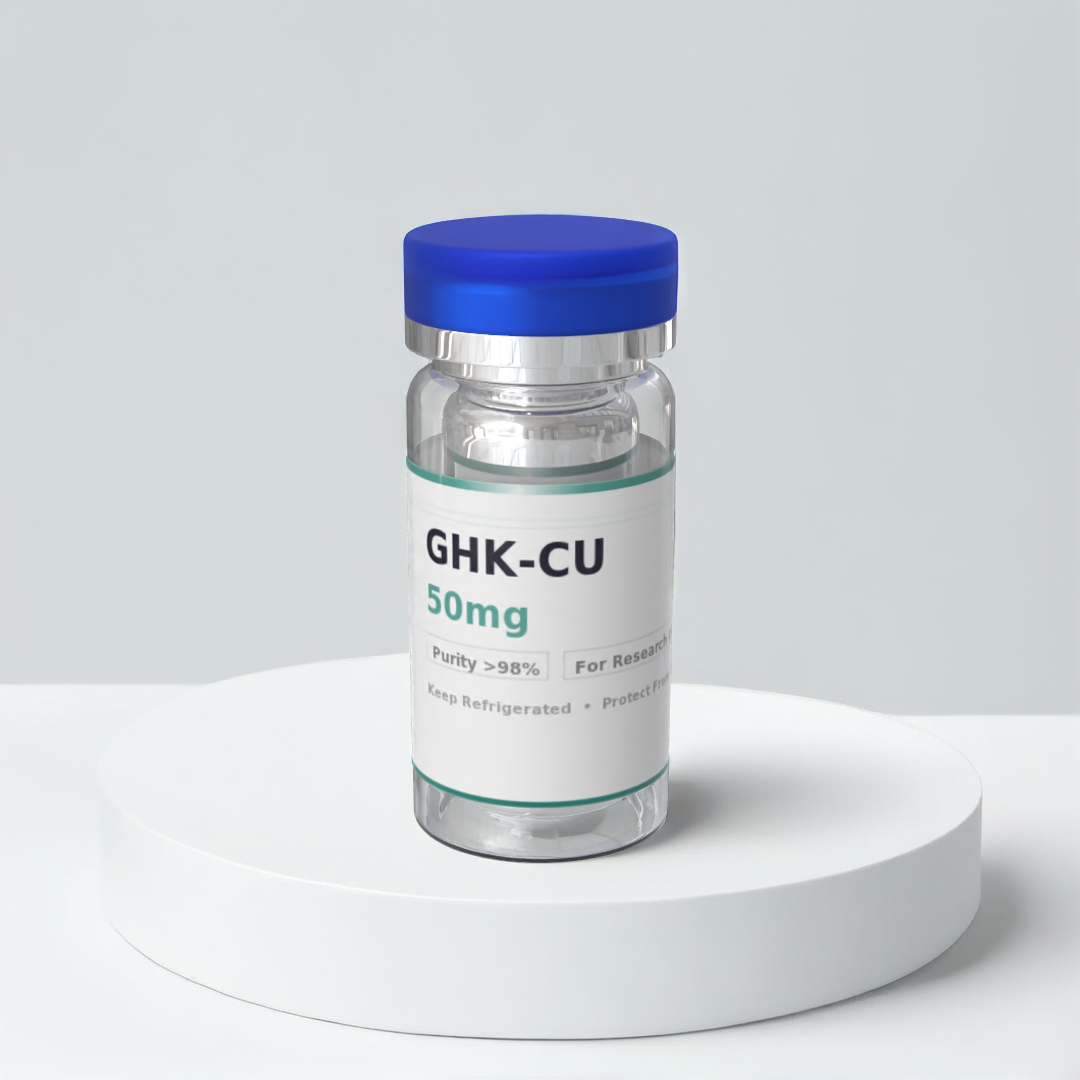
GHK-CU
50mg/vial · Copper Peptide for Tissue Remodelling
GHK-CuU (Copper Peptide) is a naturally occurring tripeptide found in human plasma, saliva, and urine. Research has demonstrated wound-healing, anti-inflammatory, and tissue-remodelling properties. Lotus Labs supplies GHK-Cu at >98% purity for laboratory research only.
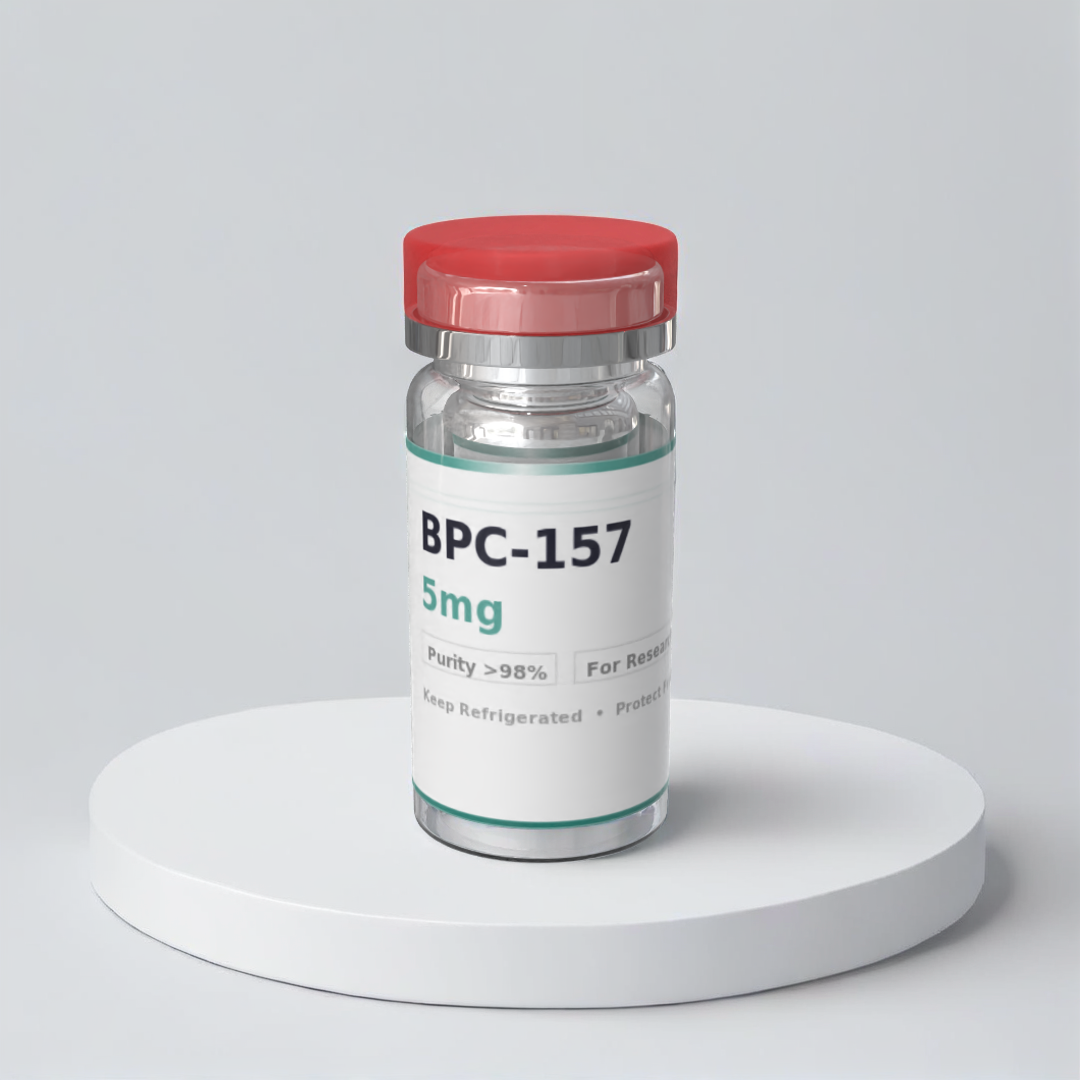
BPC-157
5mg/vial · Body Protection Compound for Tissue Repair
BPC-157 (Body Protection Compound) is a synthetic peptide derived from a protective gastric protein. Research has explored its potential in tissue repair, gut healing, and musculoskeletal recovery. Lotus Labs supplies BPC-157 at >98% purity for laboratory research only.
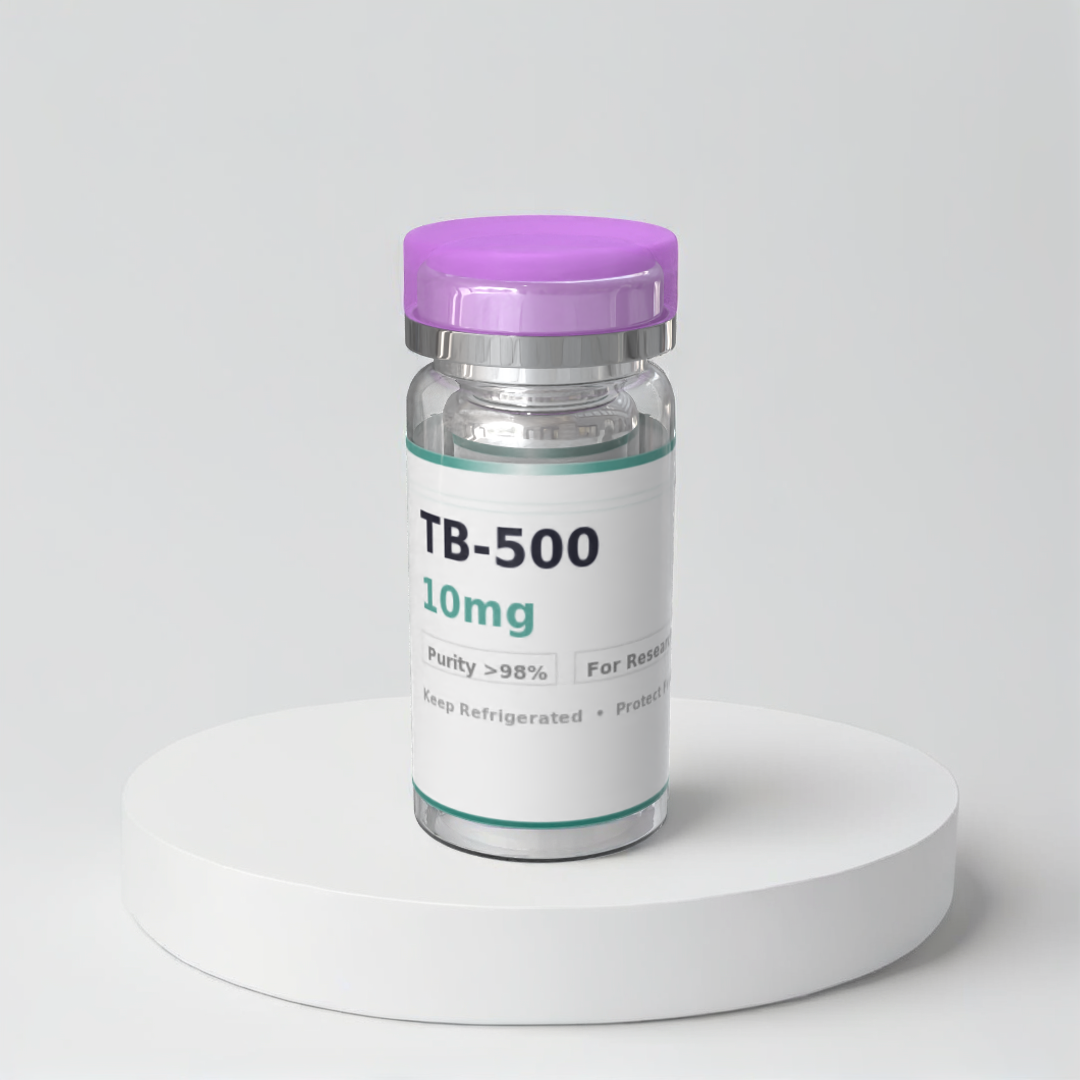
TB-500
10mg/vial · Thymosin Beta-4 for Tissue Repair
TB-500 (Thymosin Beta-4) is a naturally occurring peptide present in nearly all human and animal cells. Research has explored its role in promoting cell migration, tissue repair, and reduced inflammation. Lotus Labs supplies TB-500 at >98% purity for laboratory research only.