Melanotan 2: Clinical Evidence for MT-2-Induced Melanogenesis
2 April 2026 · 8 min read
Melanotan 2 (MT-2) is a cyclic analogue of alpha-melanocyte-stimulating hormone (α-MSH), developed at the University of Arizona in the early 1990s. Two Phase I clinical trials established that subcutaneous administration produces measurable melanogenesis — skin darkening — in human subjects.
The short version
Melanotan 2 is a synthetic analogue of alpha-melanocyte-stimulating hormone. Two small Phase I trials in the 1990s established that it produces dose-dependent skin darkening in humans without UV exposure — the first trial in three volunteers, the second in ten men.
That is the entire human trial base: thirteen subjects, thirty years ago, over short protocols. Melanotan 2 is not approved by any regulator, has no long-term human safety data, and nothing here is medical advice.
Phase I Trial: Dorr et al. (1996)
The first published human data came from Dorr et al. at the University of Arizona Cancer Center, published in Life Sciences in 1996 (PMID: 8637402). Three male volunteers received subcutaneous injections of MT-2 at doses of 0.01 to 0.03 mg/kg in a single-blind, placebo-controlled design.
Key Findings
- Dose-dependent increases in tanning were observed in all subjects who received MT-2, confirmed by skin colorimetry
- Melanogenesis began within days of the first injection and was sustained over the observation period
- Side effects were primarily nausea and facial flushing — transient and dose-related
- Spontaneous erections were reported as an unexpected finding, leading to a subsequent trial
Phase I Crossover Trial: Wessells et al. (1998)
Wessells et al. conducted a double-blind, placebo-controlled crossover study in 10 men with psychogenic erectile dysfunction, published in the Journal of Urology (1998). Participants received MT-2 at 0.025 mg/kg or placebo subcutaneously and were monitored with RigiScan devices for rigidity events.
Key Findings
- MT-2 produced significantly more erectile events than placebo in 8 of 10 subjects
- Rigidity responses were dose-dependent and appeared within 1–2 hours of injection
- Nausea was reported in 30% of injections — the primary limiting adverse event
Mechanism: α-MSH and MC1R
MT-2 is a potent agonist at melanocortin receptors MC1R, MC3R, MC4R, and MC5R. MC1R is expressed on melanocytes; activation stimulates melanin synthesis and transfer to keratinocytes, producing skin darkening without UV exposure. MC4R activation in the hypothalamus is responsible for the observed effects on appetite and sexual function.
How thin the evidence actually is
It is worth stating the scale of these trials plainly, because Melanotan 2 is discussed with far more confidence than thirteen subjects can support.
Dorr et al. enrolled three volunteers. Wessells et al. enrolled ten men, for a different indication entirely. Neither was designed to detect uncommon adverse events, and neither followed participants long enough to say anything about extended use. A trial of three people establishes that an effect exists; it cannot characterise how often it goes wrong.
Nothing larger has followed. There is no Phase II, no Phase III, and no regulatory approval anywhere in the world for Melanotan 2. The compound moved from a small academic programme in the 1990s into unregulated supply without passing through the stages that would normally sit between those two points.
The specific concern dermatologists raise is a direct consequence of the mechanism. MC1R activation darkens melanocytes generally, including those in existing moles. Changes in pigmented lesions are exactly the signal used to detect melanoma early, so a compound that darkens them systemically complicates the one screening method that works. That concern appears repeatedly in the dermatology literature, and no trial has been run at a size capable of quantifying it.
What came out of this research programme
The 1998 erectile-function trial is easy to read as a curiosity. It was not — it is the reason a related compound exists as an approved medicine today.
The finding in the original tanning trial was incidental: volunteers reported spontaneous erections, which was not what the study was measuring. That observation prompted the crossover trial in men with psychogenic erectile dysfunction, and that line of work led to bremelanotide, a related melanocortin agonist which went through the full development pathway and was approved by the FDA in 2019 for hypoactive sexual desire disorder in premenopausal women.
The contrast is the useful part. Two compounds emerged from the same melanocortin research at roughly the same time. One was taken through Phase II, Phase III and regulatory review, and is now a prescribable medicine with characterised dosing and a known adverse-event profile. The other was not, and reached the public through unregulated supply instead.
That difference is not about which molecule was more promising. It is about which one had the trials run on it.
Evidence Context
Both trials were small (3 and 10 subjects respectively) and used single doses or short protocols. They established proof-of-concept for melanogenesis in humans — a biologically significant finding — but long-term safety data in humans is limited. The tanning response observed is consistent with the mechanism and has been reproduced in subsequent self-reported research use, though large controlled trials have not followed.
Frequently asked questions
What is Melanotan 2? A synthetic cyclic analogue of alpha-melanocyte-stimulating hormone, developed at the University of Arizona in the early 1990s. It is an agonist at melanocortin receptors including MC1R, which is expressed on melanocytes.
Does Melanotan 2 actually cause tanning? Yes, in the two published human trials. Dorr et al. observed dose-dependent increases in tanning in all subjects who received it, confirmed by skin colorimetry, beginning within days of the first injection and sustained across the observation period.
How large were the clinical trials? Very small. The 1996 tanning trial enrolled three male volunteers and the 1998 crossover trial enrolled ten men with psychogenic erectile dysfunction. There have been no large controlled trials since.
Is Melanotan 2 approved anywhere? No. It has no regulatory approval in any market, and Lotus Labs supplies it for research purposes only.
What were the reported side effects? Nausea and facial flushing were the primary adverse events in the tanning trial, transient and dose-related. In the 1998 crossover trial nausea was reported in 30% of injections and was the primary limiting adverse event.
Why do dermatologists raise concerns about it? Because MC1R activation darkens melanocytes throughout the skin, including those in existing moles. Changes in pigmented lesions are the main early signal for melanoma, so systemic darkening interferes with the standard method for spotting it.
Is there long-term safety data? No. Both published trials used single doses or short protocols in a combined thirteen subjects, which is far too small and too brief to characterise long-term safety.
Lotus Labs supplies all products for research purposes only. This article summarises published trial data and is not medical advice.
Reference
Dorr RT, Lines R, Levine N, et al. Evaluation of Melanotan-II, a superpotent cyclic melanotropic peptide in a pilot phase-I clinical study. Life Sci 1996;58(20):1777–1784. PMID: 8637402 · Wessells H, Fuciarelli K, Hansen J, et al. Synthetic melanotropic peptide initiates erections in men with psychogenic erectile dysfunction: double-blind, placebo controlled crossover study. J Urol 1998;160(2):389–393.
Related peptides
Research-grade, free tracked delivery across Thailand.
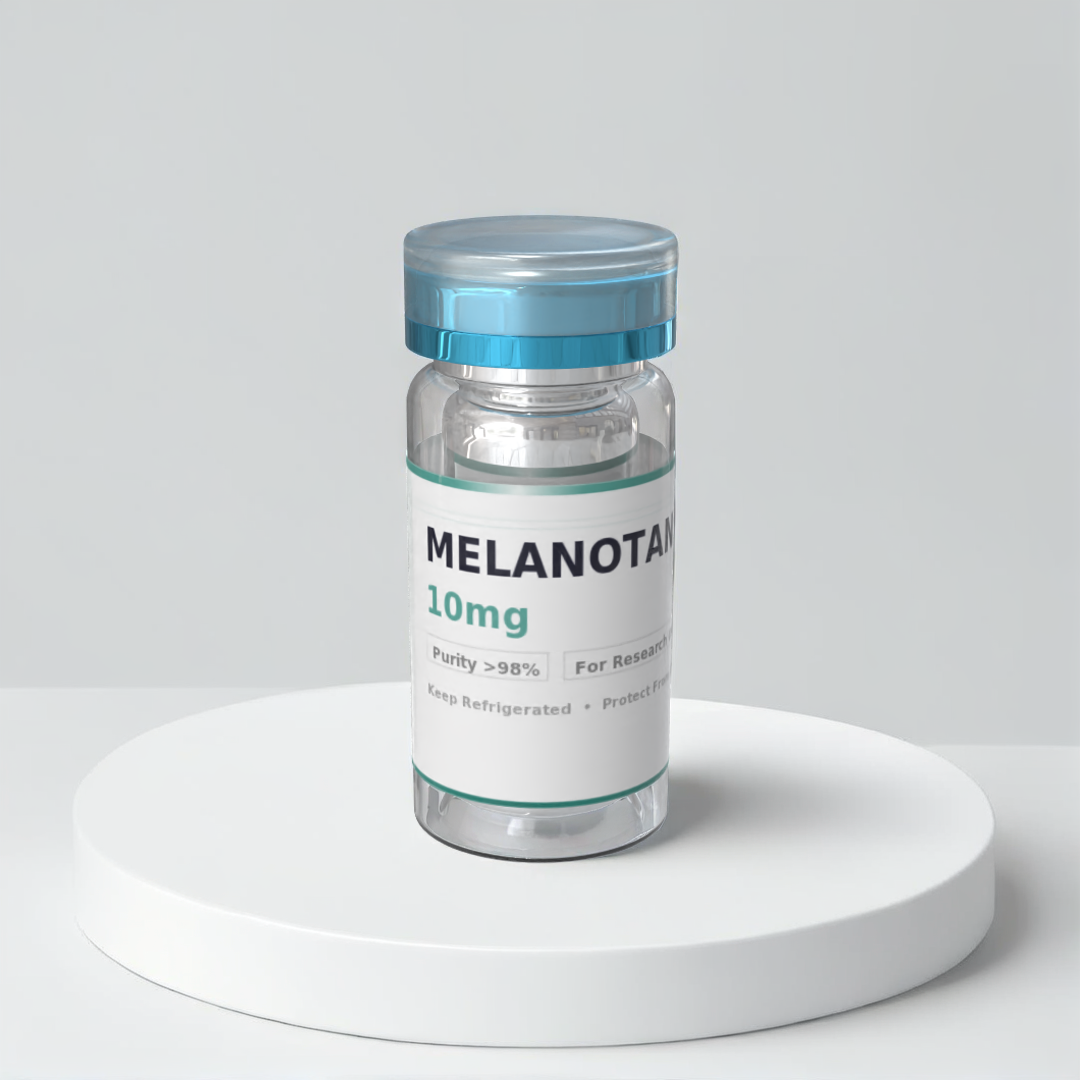
Melanotan 2
10mg/vial · α-MSH Analogue for Melanogenesis Research
Melanotan 2 (MT-2) is a synthetic analogue of alpha-melanocyte-stimulating hormone (α-MSH). Research has explored its interactions with melanocortin receptors and potential effects on melanogenesis, appetite regulation, and libido. Lotus Labs supplies Melanotan 2 at >98% purity for laboratory research only.
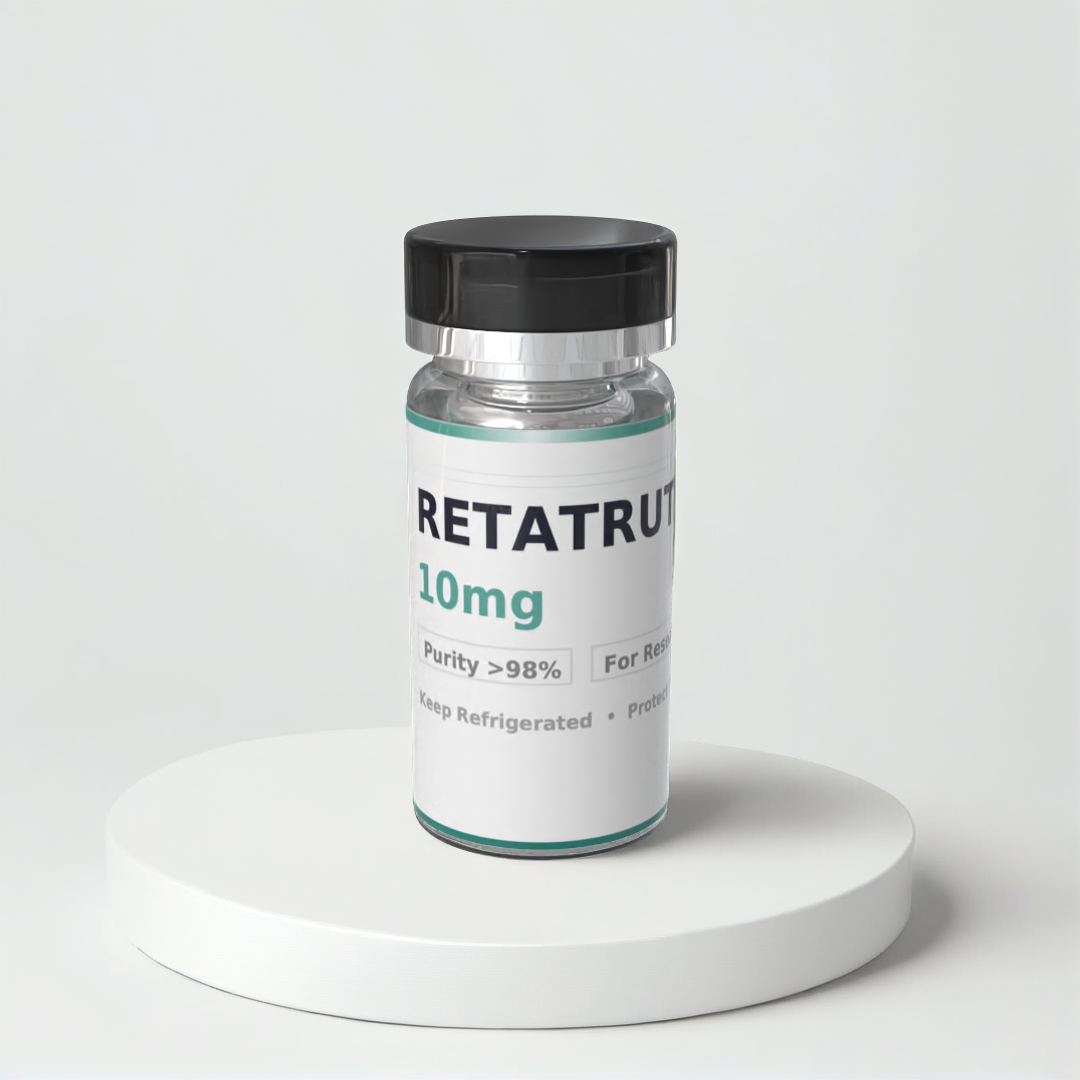
Retatrutide
10mg/vial · Triple GIP/GLP-1/Glucagon Agonist
Retatrutide is a next-generation triple agonist targeting GLP-1, GIP, and glucagon receptors simultaneously. Phase 2 clinical trials demonstrated up to 24.2% mean body weight reduction at 48 weeks — the highest efficacy reported among investigational peptides.The glucagon receptor component adds direct hepatic fat oxidation, making it uniquely potent for metabolic research.
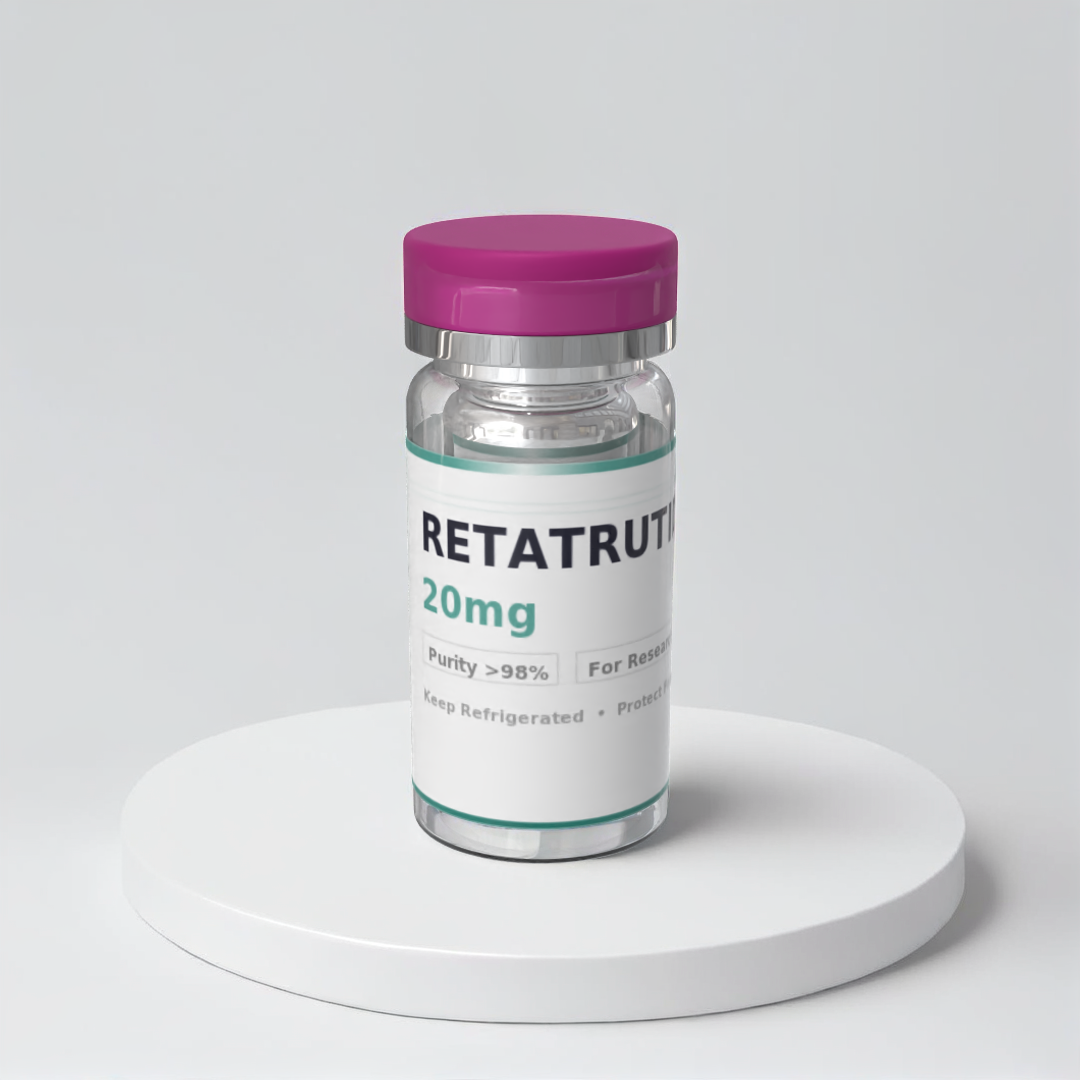
Retatrutide
20mg/vial · Triple GIP/GLP-1/Glucagon Agonist — Extended Protocol
Retatrutide is a next-generation triple agonist targeting GLP-1, GIP, and glucagon receptors simultaneously. Phase 2 clinical trials demonstrated up to 24.2% mean body weight reduction at 48 weeks — the highest efficacy reported among investigational peptides.The glucagon receptor component adds direct hepatic fat oxidation, making it uniquely potent for metabolic research.