BPC-157: Strong Animal Data, Early Human Safety — Where the Evidence Actually Stands
9 April 2026 · 8 min read
BPC-157 (Body Protection Compound-157) is a synthetic pentadecapeptide derived from a protective protein found in gastric juice. It has one of the largest bodies of animal research among research peptides — and as of 2025, the beginnings of a human safety dataset.
The short version
BPC-157 has an unusually large animal literature — decades of it, across tendon, gut and neural injury models, with consistent results. It has almost no human evidence. The only published human study is a 2025 safety pilot in two subjects.
So the honest summary is: compelling in rodents, essentially untested in people. No randomised controlled trial has examined whether it does anything for any indication in humans. BPC-157 is not an approved medicine, and nothing here is medical advice.
What the Animal Research Shows
Across rodent and larger animal models, BPC-157 has demonstrated:
- Accelerated tendon-to-bone healing — multiple controlled studies showing faster recovery and improved biomechanical properties in surgically damaged tendons
- Gastrointestinal mucosal repair — protection and accelerated healing of gastric and intestinal injury in multiple models
- Neuroprotective effects — reduced lesion size and improved functional recovery after traumatic brain injury in rats
- Anti-inflammatory activity — consistent reduction in inflammatory markers across injury models
These effects are biologically plausible: BPC-157 appears to upregulate growth hormone receptor expression and interact with the nitric oxide system, both of which are relevant to tissue repair.
What "derived from gastric juice" actually means
The origin story is repeated constantly and rarely explained, which leaves it sounding either mystical or arbitrary.
BPC-157 is a synthetic fragment. The parent molecule is a protein present in human gastric juice, and the stomach is a useful place to look for repair signalling for an obvious reason: it maintains an intact lining while continuously exposed to acid strong enough to digest tissue. Something in that environment is coordinating unusually aggressive repair.
Researchers isolated a sequence from that protein and synthesised the fifteen-amino-acid fragment that appeared to carry the activity. That fragment is BPC-157. It is not extracted from anything — it is manufactured, and the connection to gastric juice is ancestral rather than a description of what is in the vial.
The practical significance is modest. That a sequence originates in a repair-rich environment is a reasonable starting hypothesis, not evidence of effect. Plenty of endogenous fragments have looked promising on that logic and gone nowhere once tested properly.
The 2025 Human Safety Pilot
In 2025, Lee and Burgess published the first human safety data on intravenous BPC-157 in Alternative Therapies in Health and Medicine (PMID: 40131143). Two healthy adult volunteers received IV infusions of up to 20 mg.
Findings
- No adverse effects at any dose tested
- No measurable changes in cardiac, liver, kidney, or thyroid function
- No changes in blood glucose or standard haematology markers
- Both subjects tolerated the infusions without incident
This is a 2-subject pilot — it establishes tolerability, not efficacy, and is not powered to detect rare events.
Why animal results so often don't carry over
BPC-157 is a good case study in the gap between preclinical promise and human benefit, and it is worth understanding why that gap exists rather than treating it as bad luck.
Doses don't translate directly. Rodent metabolism differs enough that milligram-per-kilogram figures cannot be read across to humans without pharmacokinetic work. The two-subject pilot is the first study to characterise any of that in people.
Injury models are cleaner than injuries. A surgically transected rat tendon is a controlled, uniform, immediately-treated lesion. Human tendon problems are usually chronic, variable in origin, and presented weeks or months after onset. A compound can genuinely accelerate the first and do nothing measurable for the second.
Positive results publish more readily. A literature spanning decades from a relatively small number of groups is a different evidential picture from the same volume produced by many independent labs actively trying to falsify each other. Consistency across a narrow base is weaker than it appears.
None of this says BPC-157 doesn't work. It says the animal data cannot answer the question, which is precisely why the efficacy trials that would answer it are the thing still missing.
What Has Not Been Studied in Humans
No randomised controlled trial has been published examining BPC-157's efficacy for tendon healing, wound repair, GI repair, or any other indication in humans. The leap from animal models to human clinical benefit remains an open research question.
Summary
BPC-157 has robust preclinical data, a plausible mechanism, and now an initial human safety signal. It is a legitimate research subject. The honest position: the animal evidence is compelling, the human evidence is at the starting line. Efficacy trials in humans are the necessary next step.
Frequently asked questions
What is BPC-157? A synthetic pentadecapeptide — a 15-amino-acid chain — derived from a protective protein found in human gastric juice. It is studied for tissue repair and is not an approved medicine anywhere.
Is there human evidence for BPC-157? Very little. The only published human study is a 2025 safety pilot in two healthy volunteers receiving intravenous infusions of up to 20 mg. No randomised controlled trial of efficacy has been published for any indication.
What did the human safety study find? No adverse effects at any dose tested, and no measurable changes in cardiac, liver, kidney or thyroid function, blood glucose, or standard haematology markers. Both subjects tolerated the infusions without incident. With two subjects it establishes tolerability, not safety in general, and it is not powered to detect rare events.
Does BPC-157 heal tendons? In animal models it has repeatedly accelerated tendon-to-bone healing with improved biomechanical properties. Whether that translates to humans is unknown — no human trial has tested it.
Why is the animal research not enough? Animal injury models are cleaner and more uniform than human injuries, rodent doses do not translate directly, and a consistent literature from a narrow set of research groups is weaker evidence than the same volume from many independent ones.
Is BPC-157 approved or legal as a medicine? It is not approved by any regulator. Lotus Labs supplies it for research purposes only.
What would change the picture? A randomised controlled trial of efficacy in humans for a defined indication. That is the study that does not currently exist, and it is the one that would settle the question.
Lotus Labs supplies all products for research purposes only. This article summarises published trial data and is not medical advice.
Reference
Lee E, Burgess K. Safety of Intravenous Infusion of BPC157 in Humans: A Pilot Study. Altern Ther Health Med 2025. PMID: 40131143
Related peptides
Research-grade, free tracked delivery across Thailand.
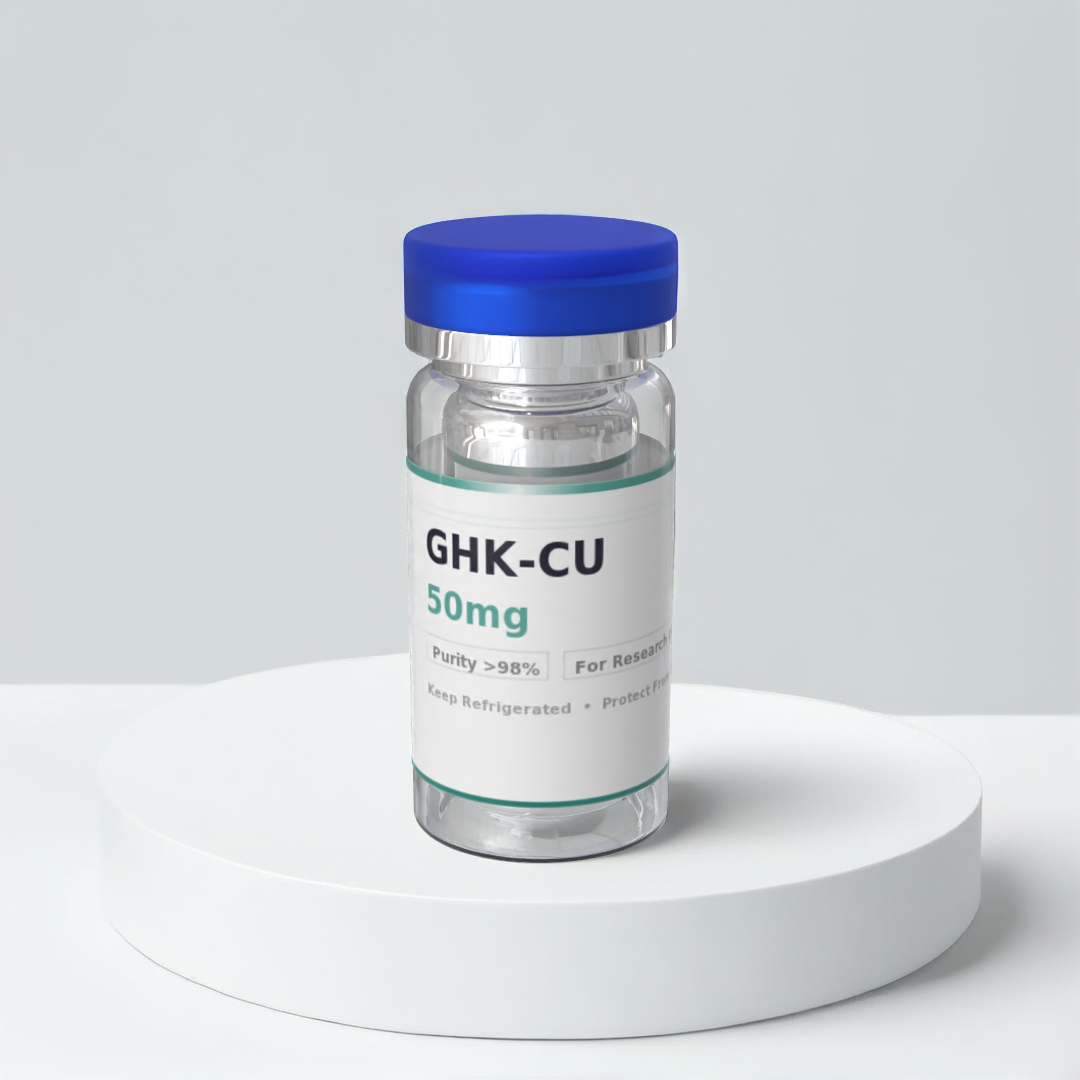
GHK-CU
50mg/vial · Copper Peptide for Tissue Remodelling
GHK-CuU (Copper Peptide) is a naturally occurring tripeptide found in human plasma, saliva, and urine. Research has demonstrated wound-healing, anti-inflammatory, and tissue-remodelling properties. Lotus Labs supplies GHK-Cu at >98% purity for laboratory research only.
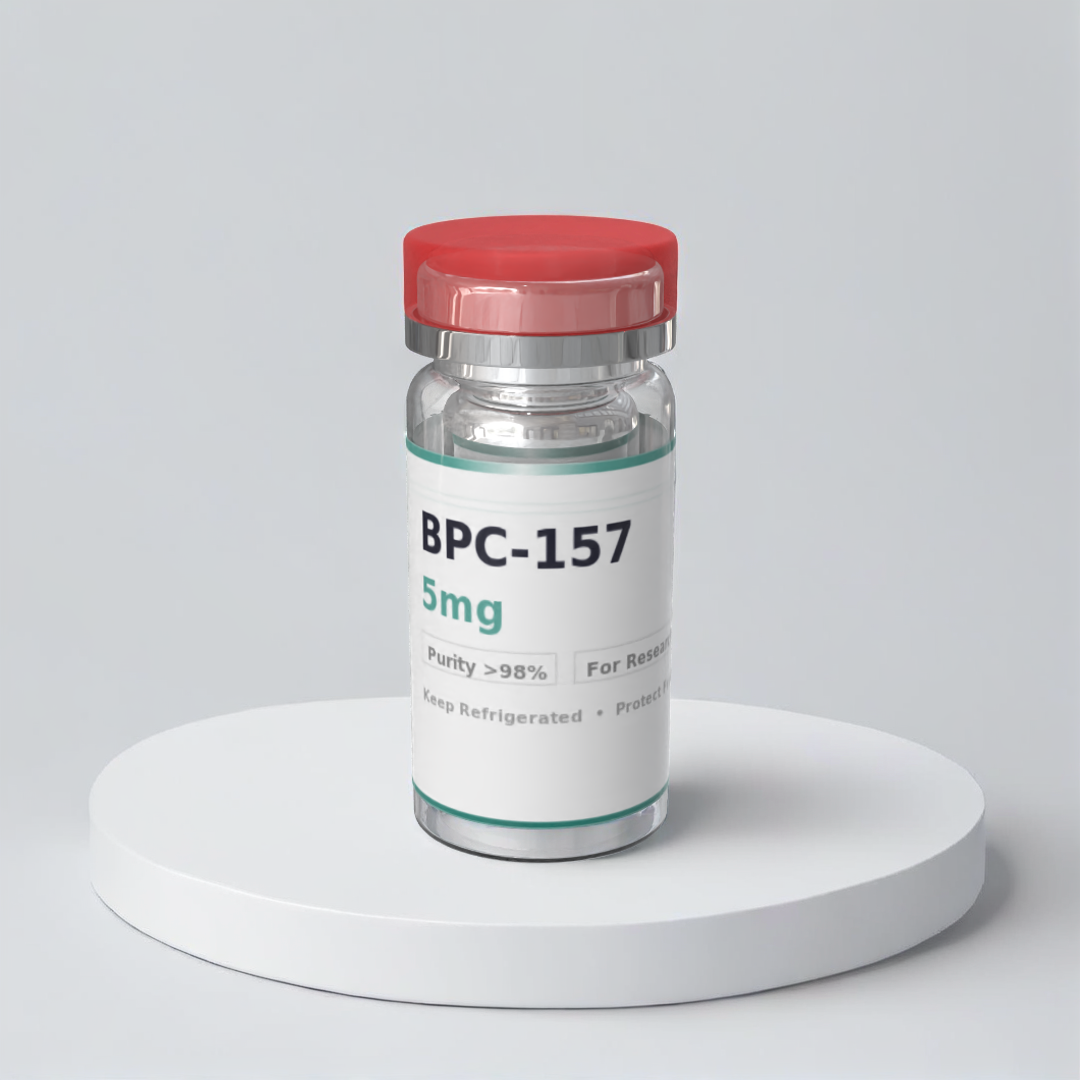
BPC-157
5mg/vial · Body Protection Compound for Tissue Repair
BPC-157 (Body Protection Compound) is a synthetic peptide derived from a protective gastric protein. Research has explored its potential in tissue repair, gut healing, and musculoskeletal recovery. Lotus Labs supplies BPC-157 at >98% purity for laboratory research only.
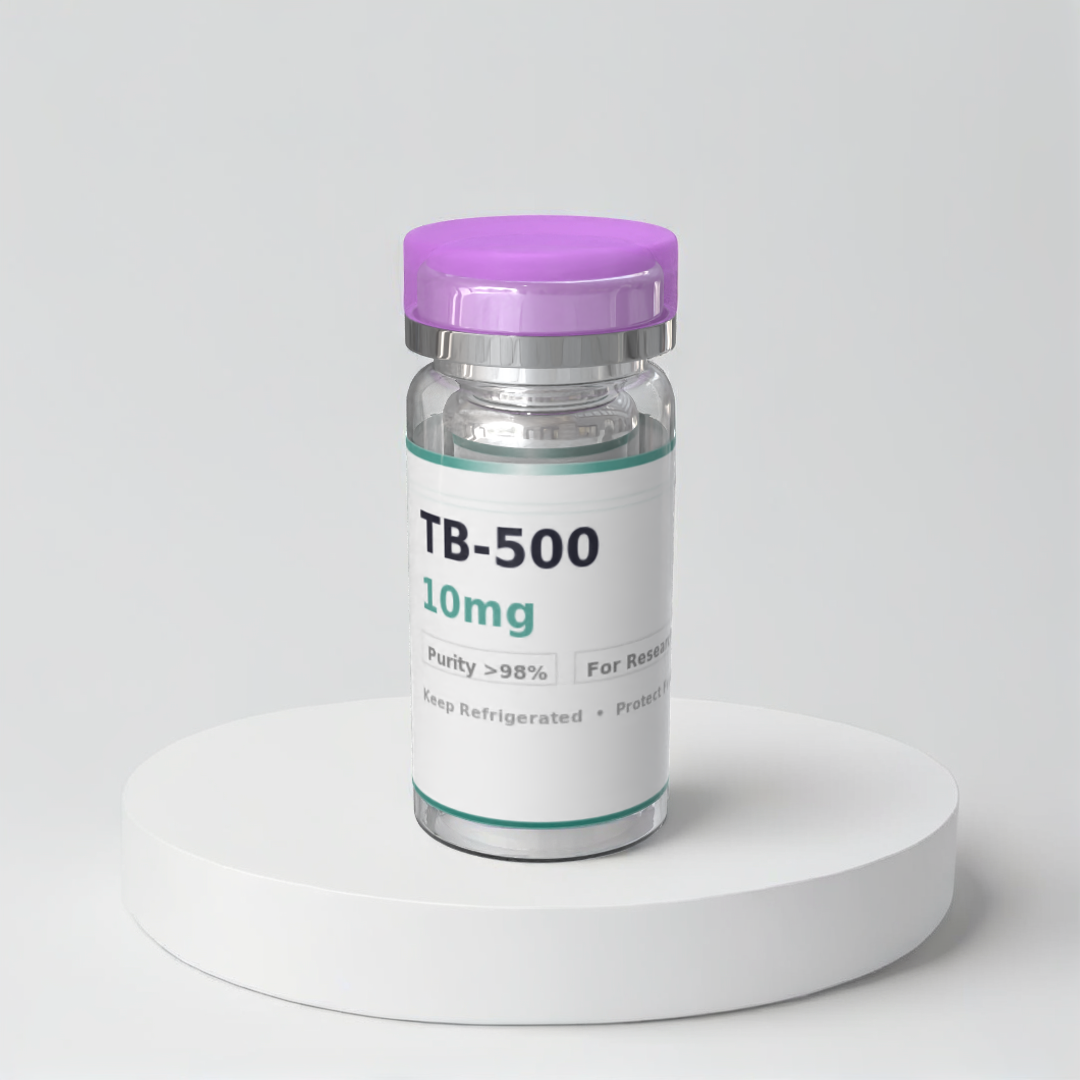
TB-500
10mg/vial · Thymosin Beta-4 for Tissue Repair
TB-500 (Thymosin Beta-4) is a naturally occurring peptide present in nearly all human and animal cells. Research has explored its role in promoting cell migration, tissue repair, and reduced inflammation. Lotus Labs supplies TB-500 at >98% purity for laboratory research only.